Web performance advices
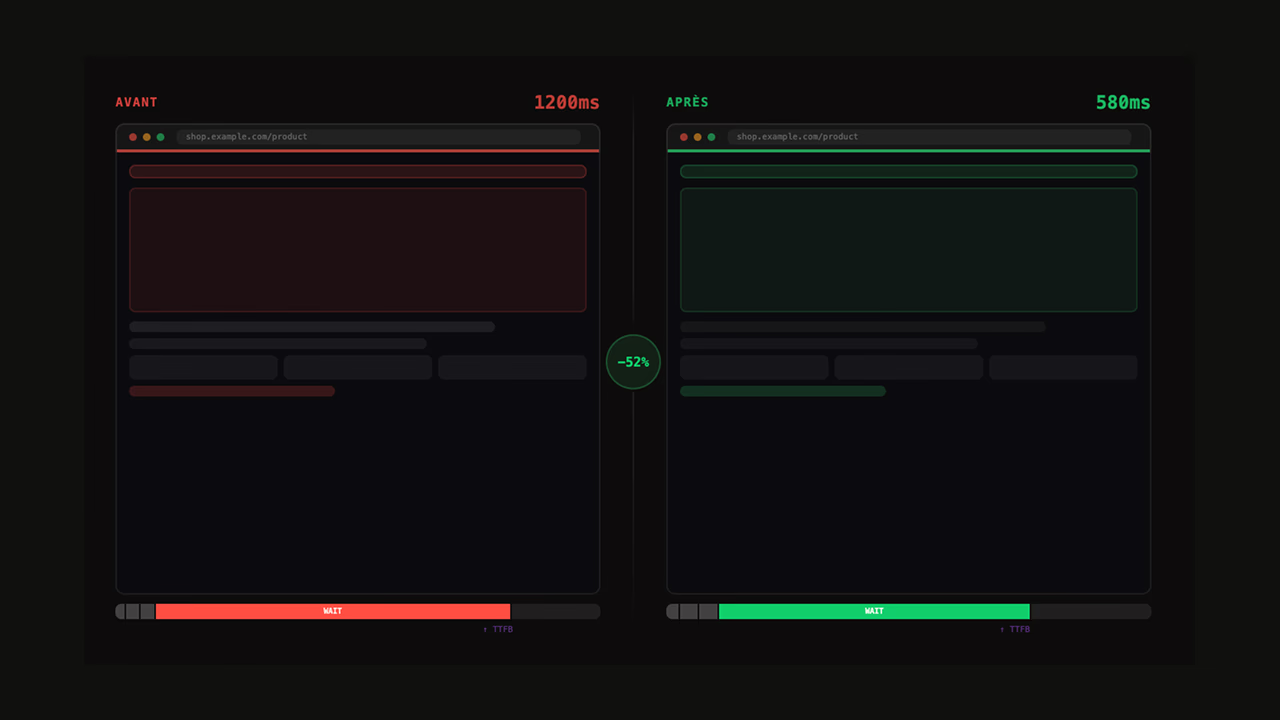
TTFB (Time to First Byte) measures the delay between an HTTP request and the first byte of response received by the browser. Google targets < 800 ms in field data (P75). The most common causes: no page cache, cache dilution from query parameters, unoptimized database queries, no CDN. On an SFCC e-commerce site, cache key normalization reduced dilution by 80% and brought Server Response from 0.74 s to 0.63 s (−15%) in field data.
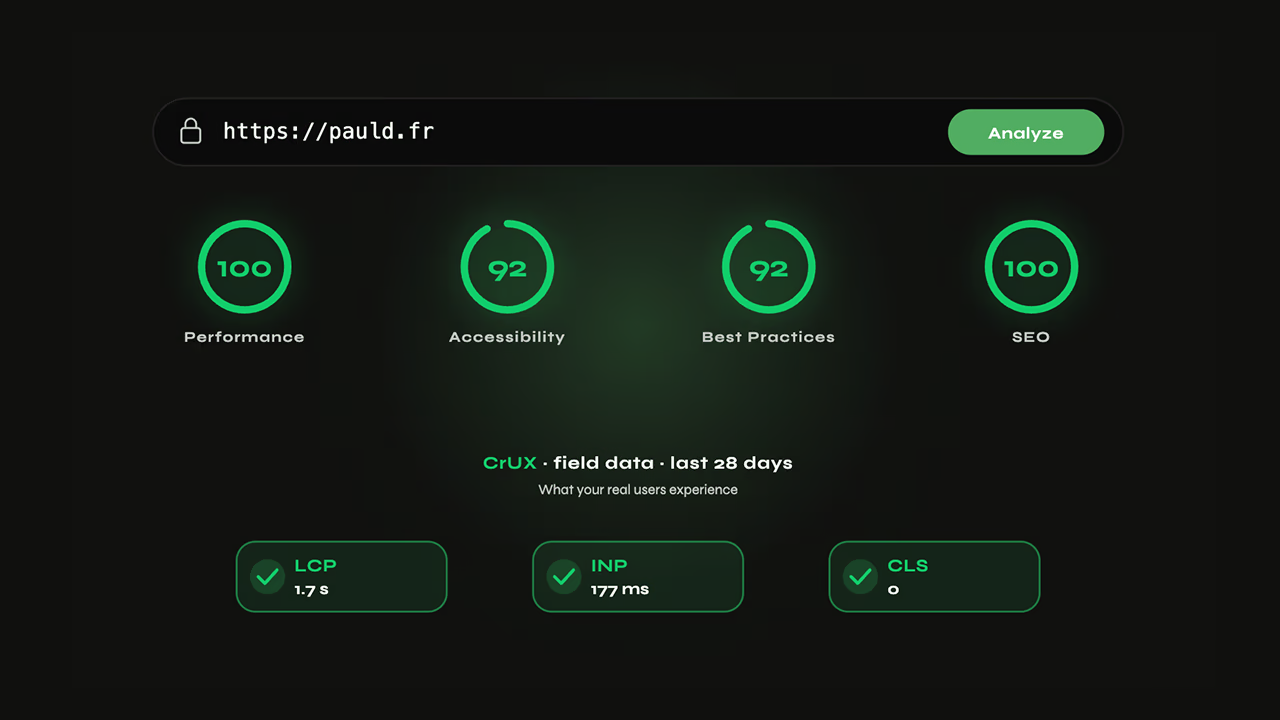
Master Google Lighthouse from A to Z: installation, key metrics, score interpretation, tool limits, and real-world web performance case studies.
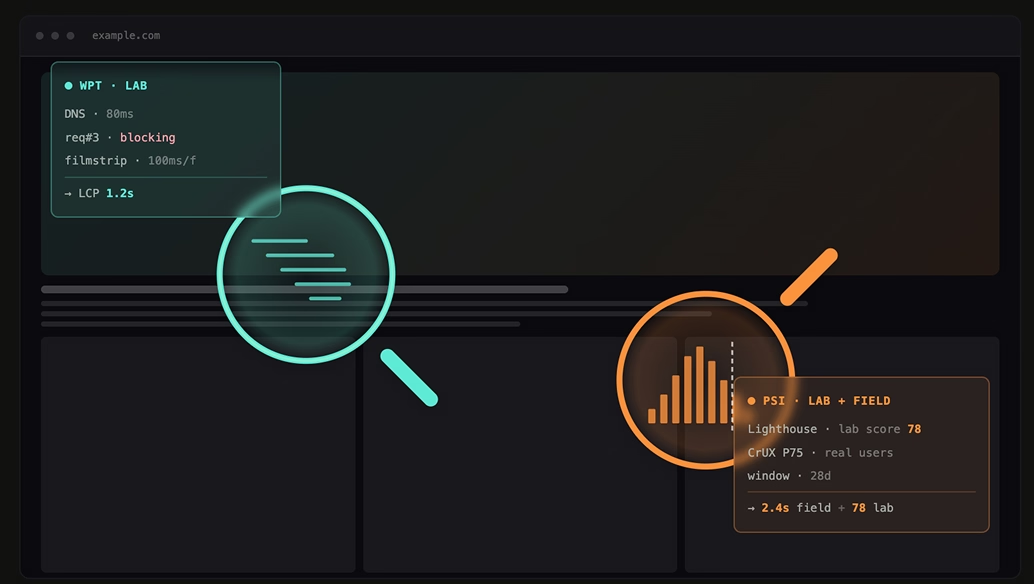
WebPageTest vs PageSpeed Insights: lab data vs field data, diagnostics vs SEO signal. Comparison, use cases, scripting, API and ecosystem.
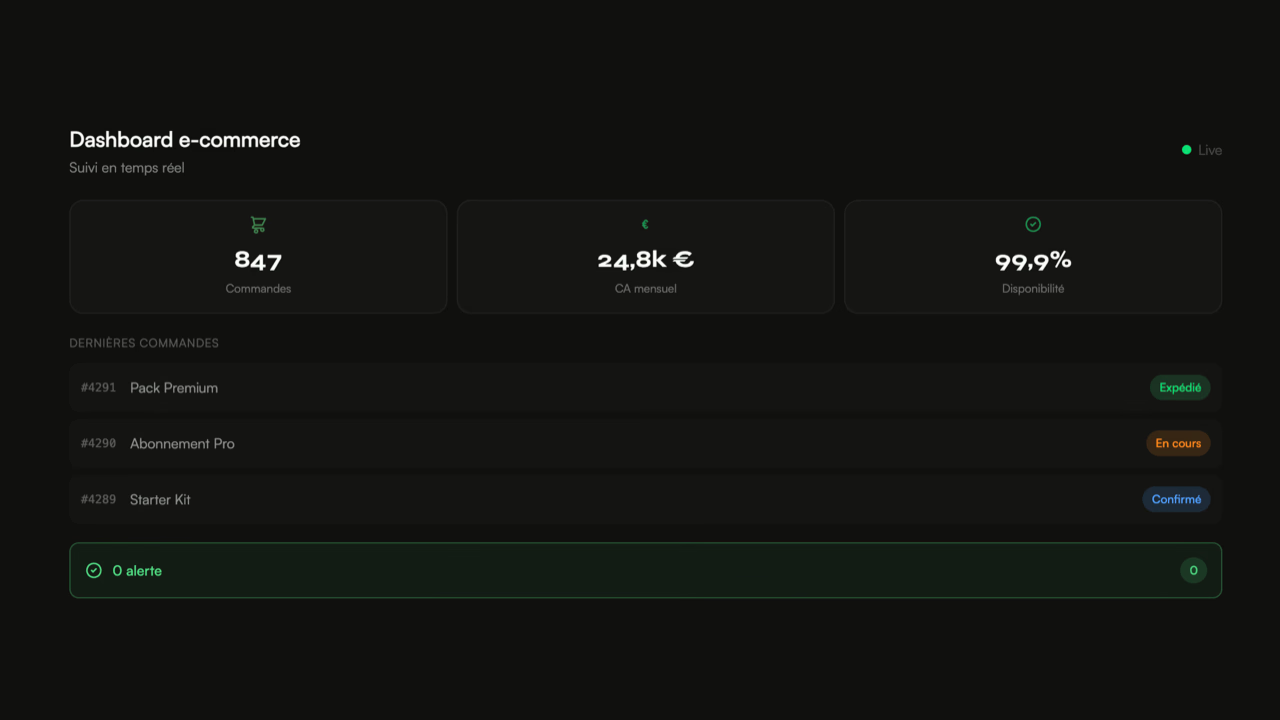
7 Core Web Vitals mistakes are dragging down your e-commerce site. Fix them to boost your SEO and conversions.
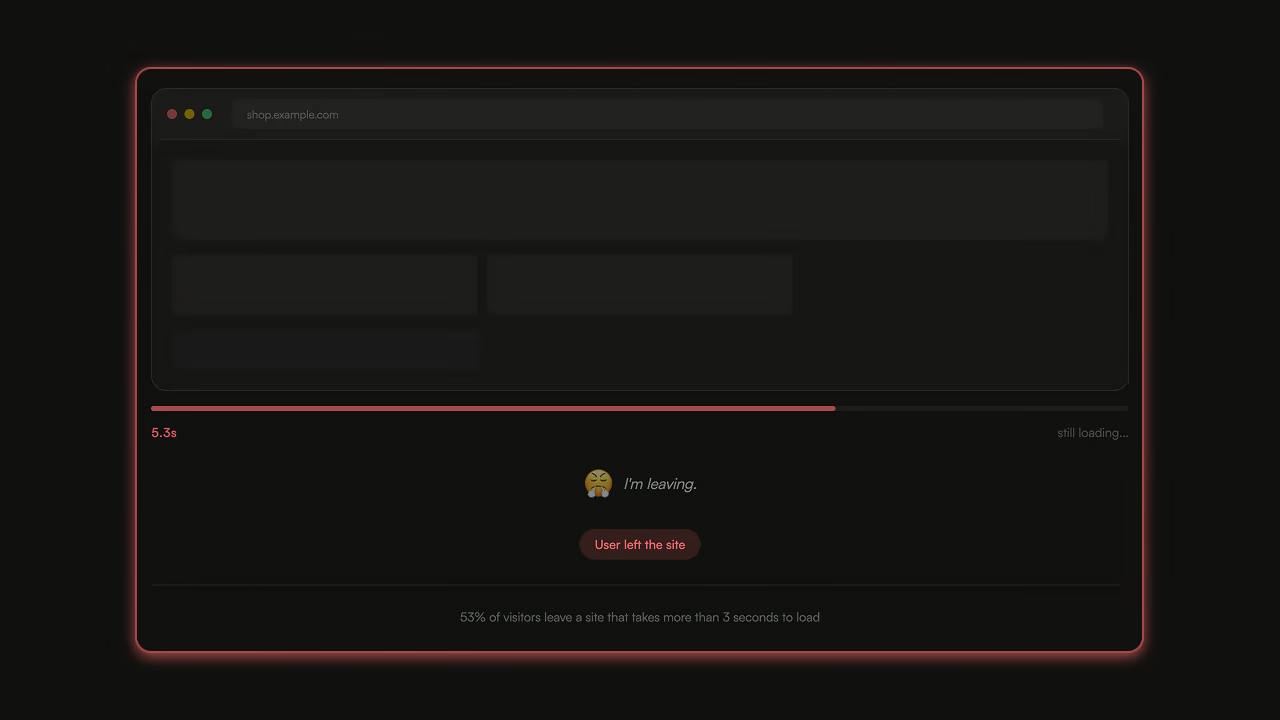
Discover how a specialist optimizes the speed of your applications to improve conversion rates and productivity.
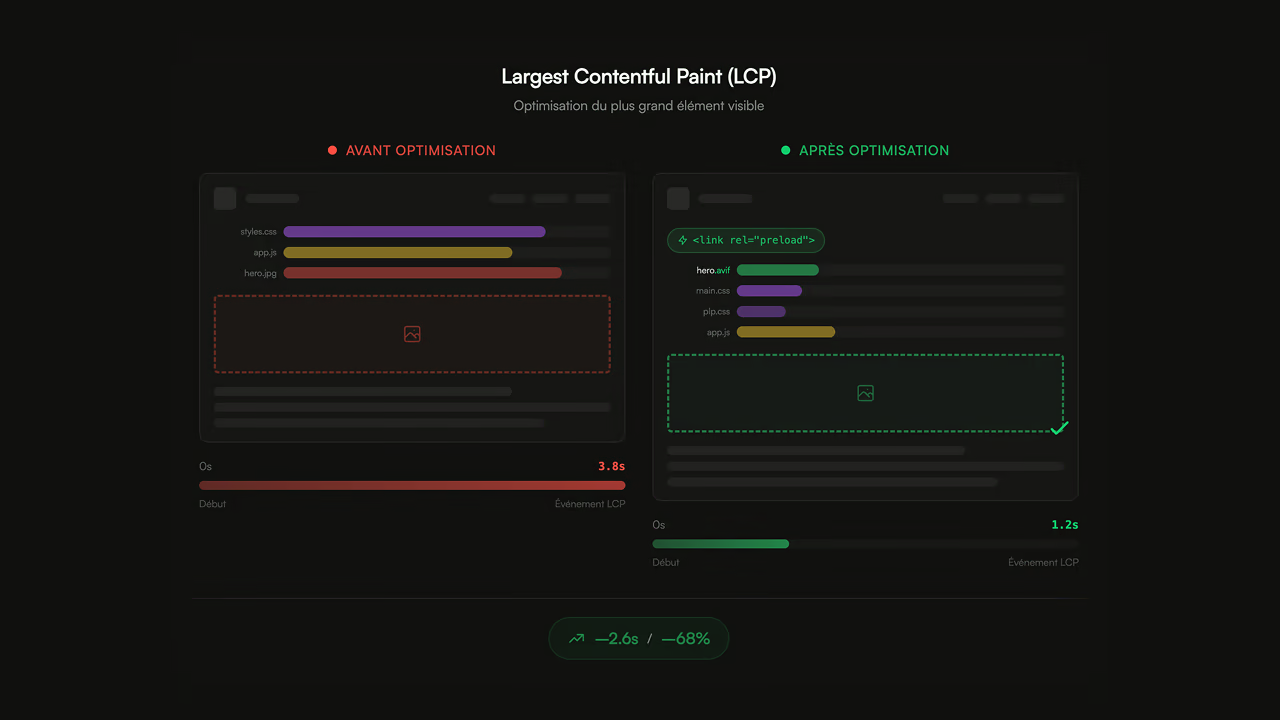
Improve the Largest Contentful Paint with image optimization tips, critical CSS and JS strategies, and effective server-side approaches.
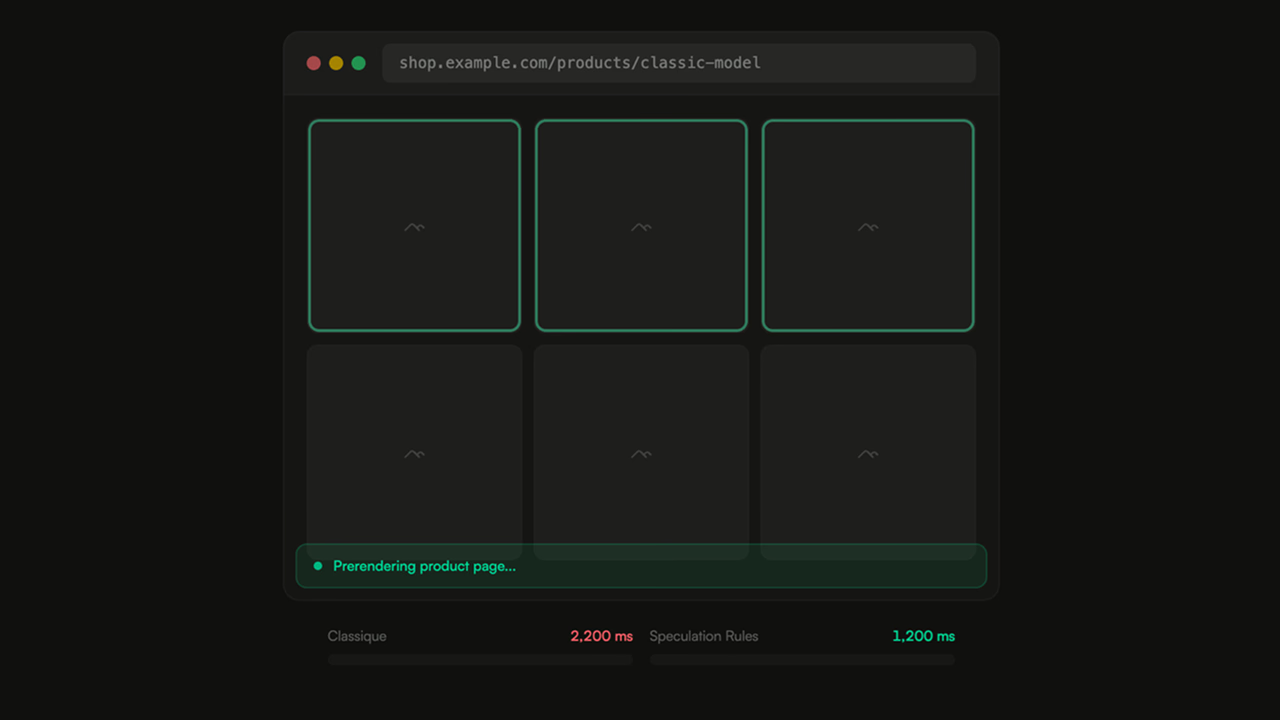
Speculation Rules allow the browser to preload pages before the click. Real-world feedback from Rayban and CHANEL with measured LCP gains.
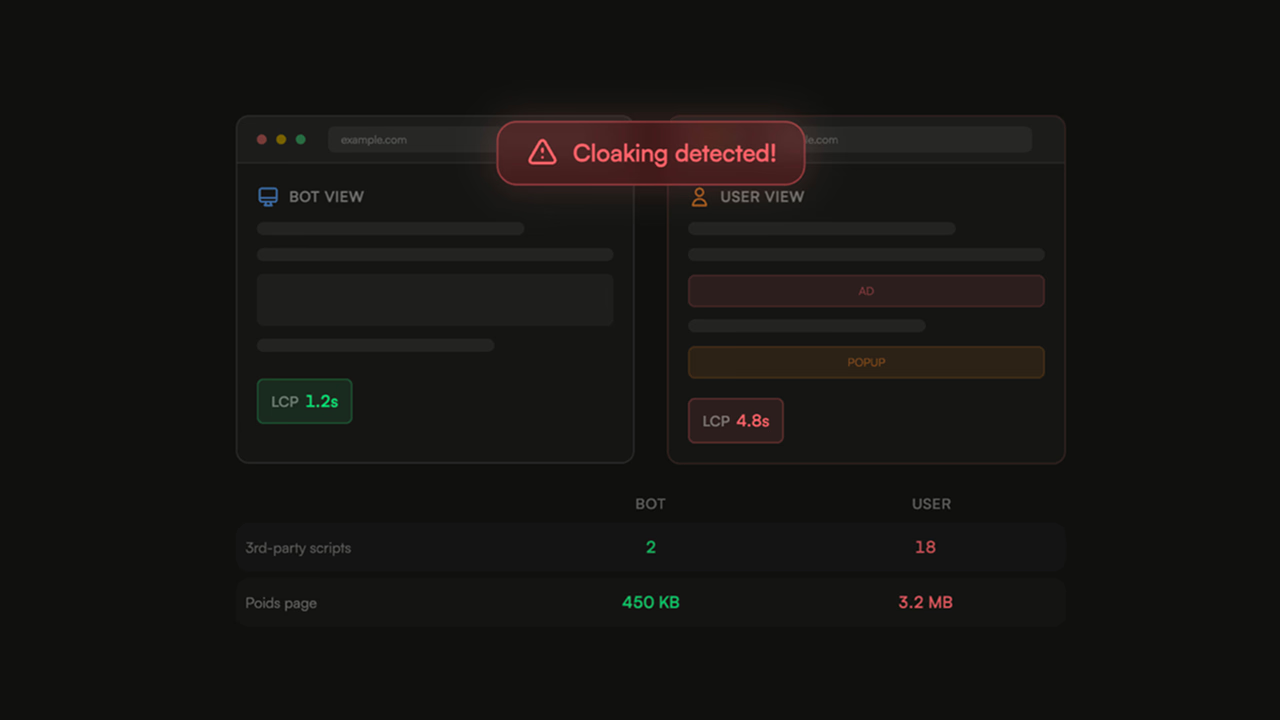
Some people cheat on web performance. How to detect cloaking and improve the experience of your real users.
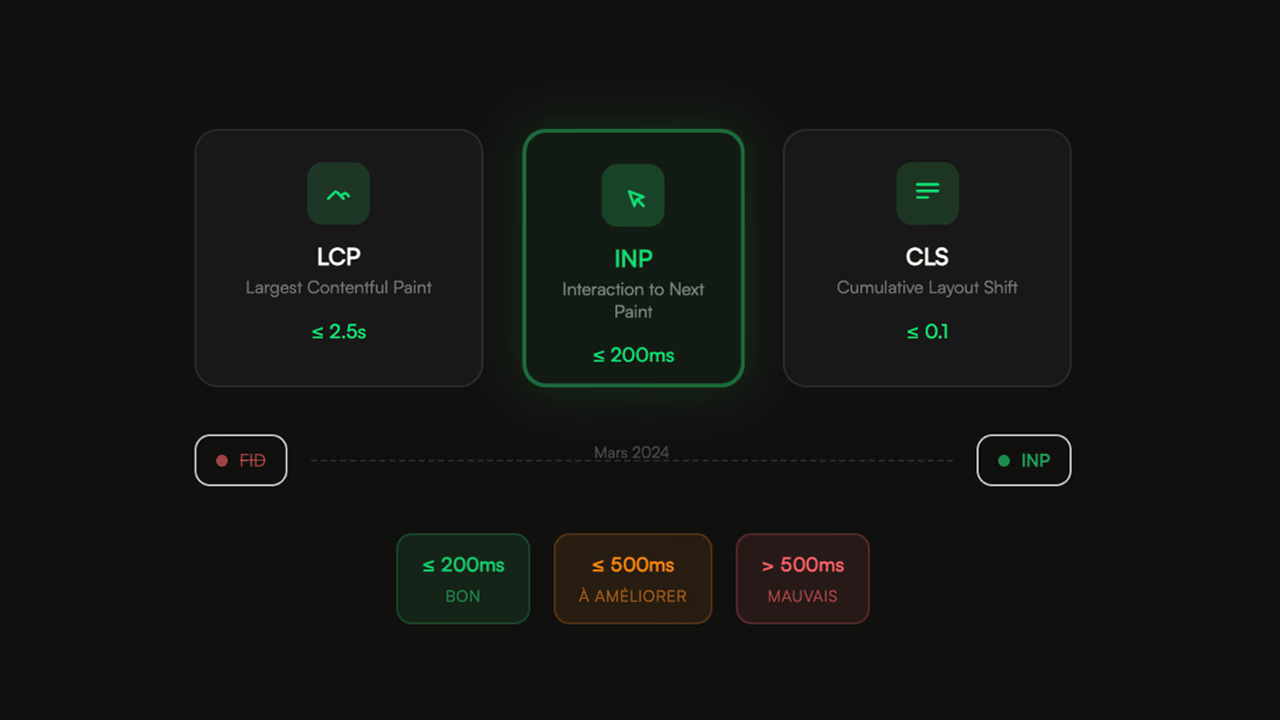
INP replaces FID as a Core Web Vital. How to prepare for this update and optimize your site's interactivity.
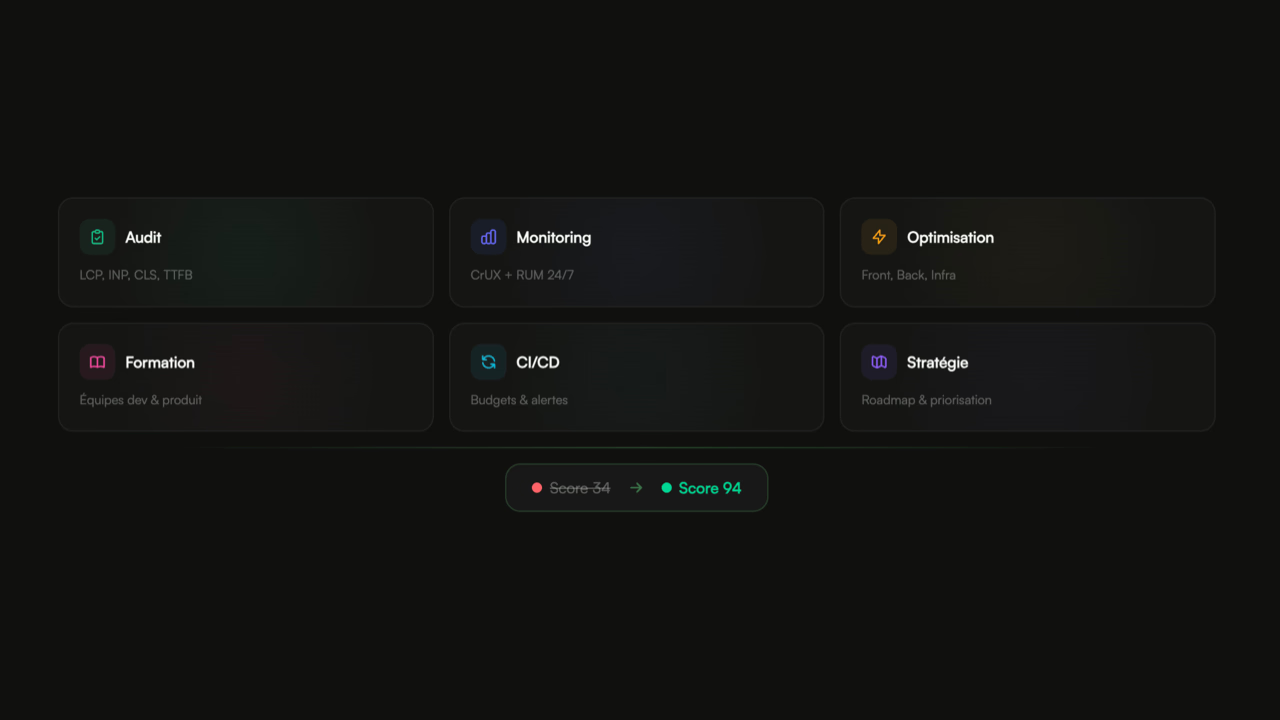
Why and when should you hire a web performance expert? How to choose the right partner to optimize your site.
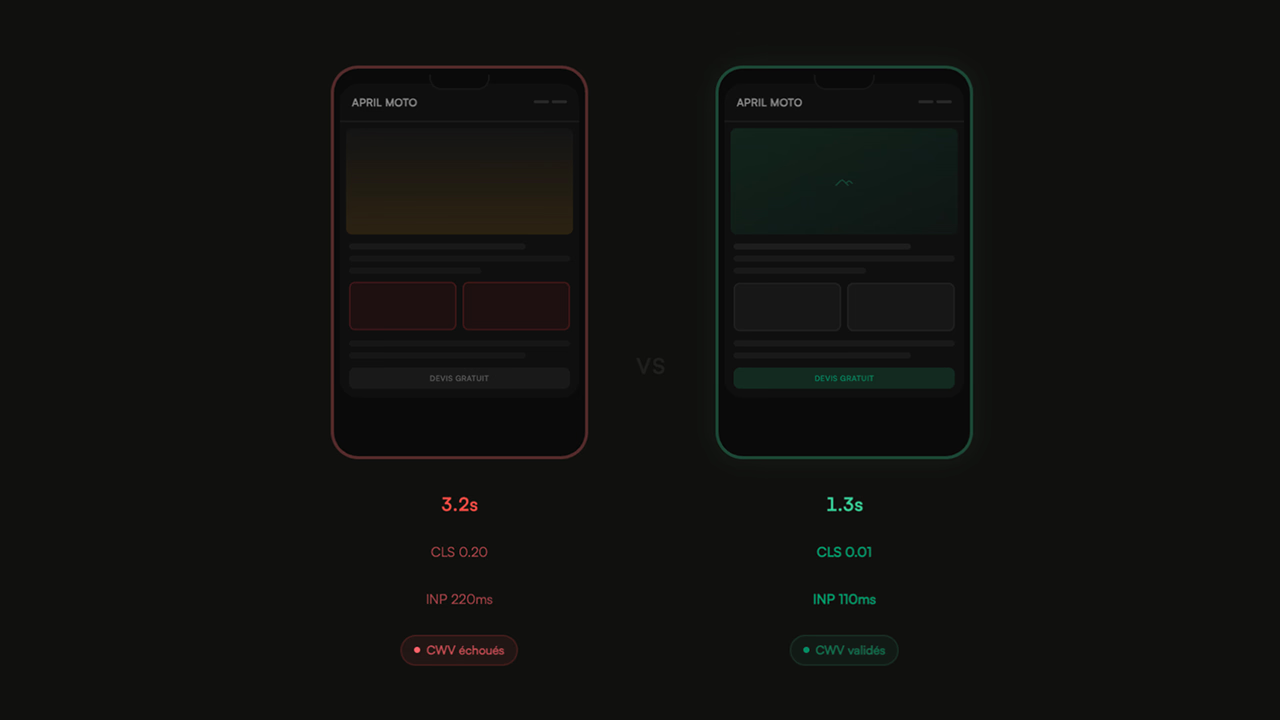
Discover how April Moto went from a PageSpeed score of 40 to 99 through a comprehensive web performance optimization of their WordPress site.
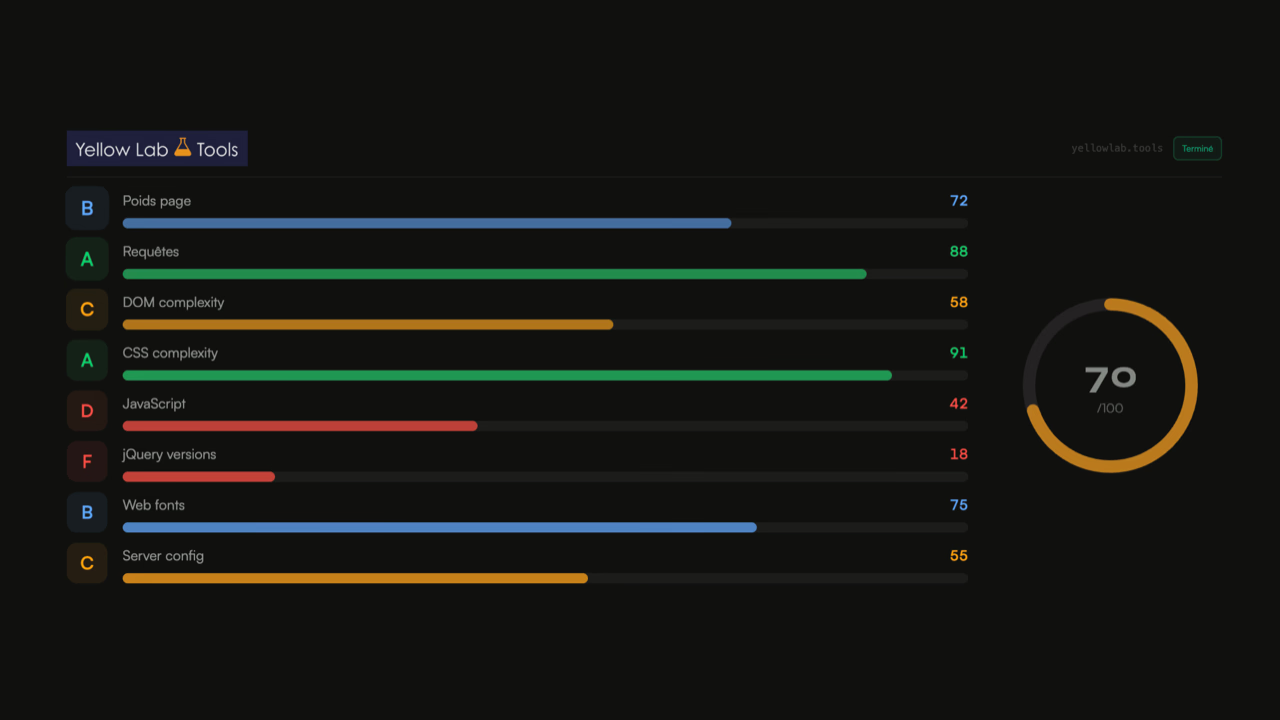
YellowLabTools is an open source web performance and web quality tool. Discover how to use it to audit your website.